In the village of 'Malunja Budruk' in Shrirampur taluka stand the mansions (wadas) of the Awati family. Some members of this lineage rose to prominent positions through their accomplishments during the late Peshwa era. Naroba Awati was one such famous personality. He was a Sardar under the last Peshwa, Bajirao II, and the Subhedar (Governor) of the 'Raigad Subha', which had its headquarters at Raigad Fort. During the Anglo-Maratha War of 1818, he fought until the end to defend Raigad. Following the end of Maratha rule and the onset of British governance, Naroba came into the limelight due to a specific incident—so much so that his case was even discussed in London at the time.
श्रीरामपूर तालुक्यातील 'मालुंजा बुद्रुक' गावात आवटी घराण्याचे वाडे आहेत. या घराण्यातील काही मंडळी कर्तृत्वाने उत्तर पेशवाईत मोठमोठ्या पदांवर पोहोचली होती. नारोबा आवटी हे त्यातील एक प्रसिद्ध व्यक्तिमत्त्व. ते शेवटचे पेशवे दूसरे बाजीराव यांचे सरदार आणि रायगड किल्ला हे मुख्यालय असणाऱ्या 'रायगड सुभ्या'चे सुभेदार होते. १८१८मध्ये झालेल्या इंग्रज-मराठा युद्धात त्यांनी रायगड झुंजवत ठेवण्याचा शेवटपर्यंत प्रयत्न केला होता. मराठेशाही संपून इंग्रजांचे राज्य आले. इंग्रजकाळाच्या ऐन सुरुवातीला एका प्रकरणामुळे नारोबा प्रसिद्धीच्या झोतात आले होते. इतके की लंडनला त्यांच्या नावाची चर्चा त्या वेळी झाली होती.
The Village of 'Malunja Budruk' and the Awati Mansions
Malunja Budruk sits along the banks of the Pravara River in Shrirampur taluka. The village does not adjoin any major highway and lies 17 kilometers from Shrirampur town. The Pravara River separates 'Malunja Budruk' on the north bank from 'Malunja Khurd' on the south. Malunja can be reached by road from Shrirampur via Belapur and Padhegaon.
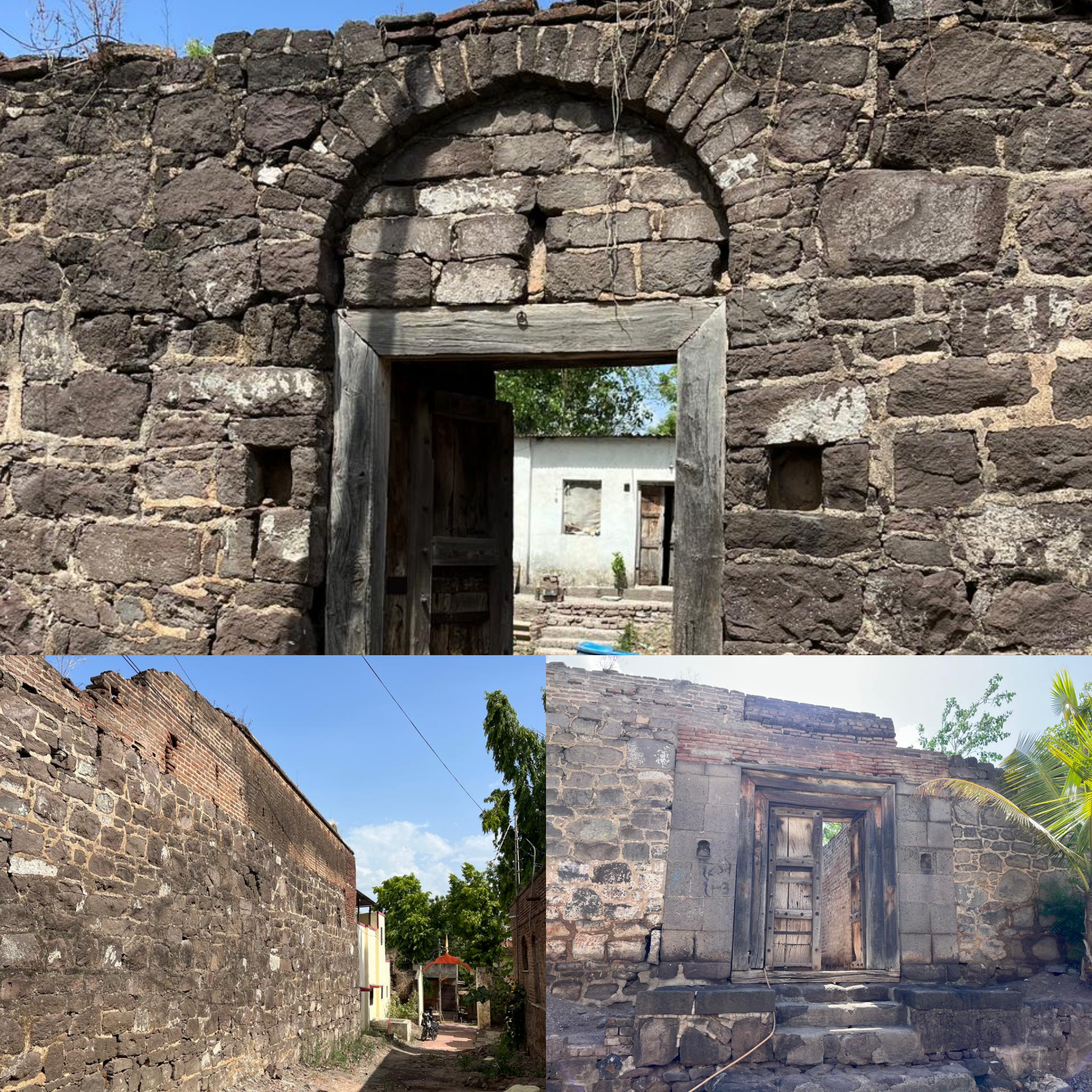
Entering the village and following the path toward the river, two visible bastions on the left give the impression of a small fort inside the village. Ahead lies the village entrance gate (ves). Past the gate, a Vitthal temple stands immediately on the left, and a short distance ahead, two mansions face each other. There used to be a large entrance arch to reach there, which no longer exists. The Vitthal temple has recently been renovated into a modern structure; its original carved teakwood pillars can now only be visualized through photographs.
Of the two mansions, the smaller one adjacent to the Vitthal temple is called 'Ganji cha Wada' (the Hay Mansion). The two bastions seen beside the village gate form its rear structure. Located directly across from Ganji Wada is the 'Mota Wada' (Large Mansion), with both entrances facing each other. Their doors are simple without intricate carvings, but both feature smaller dindi (wicket) doors and simple wall niches for oil lamps. The walls consist of rough stones topped with flat bricks.
The Large Mansion has another eastern entrance (Purvabhimukh) on the opposite side, which appears to have been the primary entrance. Steps lead up to this door. Inside, however, the original layout has been completely altered. Stairs leading to the outer fortification walls remain on the left. New rooms now occupy the central courtyard, and additional rooms have been built along the inner walls, mostly occupied by tenants today.
The second mansion, Ganji Wada, historically held stacks of hay (ganji) in certain sections. Walking straight through its door leads to a closed room bearing a plaque: "Birthplace of Padma Bhushan Karamshibhai Jethabhai Somaiya". The room is plain inside and retains its original form. A photograph of Karamshibhai with his wife, Sakharben, hangs inside.
'मालुंजा बुद्रुक' गाव आणि आवटी वाडे
'मालुंजा बुद्रुक' गाव श्रीरामपूर तालुक्यात, प्रवरा नदीच्या काठी आहे. गाव कोणत्या ही महामार्गालगत नाही. श्रीरामपूर शहरापासून ते सतरा किलोमीटर आहे. प्रवरा नदीच्या उत्तरेला 'मालुंजा बुद्रुक' आणि दक्षिणेला 'मालुंजा खुर्द' अशी दोन गावे आहेत. श्रीरामपूरहून बेलापूर, पढेगावमार्गे रस्त्याने मालुंज्याला जाता येते.
गावात शिरले की नदीकडे जाणाऱ्या वाटेने पुढे गेल्यावर डावीकडे दोन बुरूज दिसतात. जणू काही कोणती गढी गावात असावी की काय असे वाटते. मग पुढे गावाची वेस आपल्याला दिसते. वेशीतून आत गेले, की लगेच डाव्या हाताला एक विठ्ठल मंदिर आणि काही अंतरावर दोन वाडे एकमेकांकडे तोंड करून उभे असलेले आपल्याला दिसतात. तेथे जायला मोठे प्रवेशद्वार होते. आता ते नाही. विठ्ठल मंदिर सध्या जीर्णोद्धार होऊन नव्या धाटणीचे झाले आहे. पूर्वी नक्षीदार सागवानी खांब असलेले हे मंदिर केवळ छायाचित्रात बघूनच कल्पना करता येण्यासारखे आहे.
दोन वाड्यांपैकी विठ्ठल मंदिराला लागून असलेल्या छोट्या वाड्याला 'गंजीचा वाडा' म्हणतात. वेशीच्या बाजूला दिसणारे दोन बुरूज ही उसकीच मागची बाजू आहे, तर या वाड्याच्या समोर आहे तो 'मोठा वाडा'. दोन्ही वाड्यांची दारे समोरासमोर आहेत. ती अगदी साधी आहेत. त्यांच्यावर नक्षीकाम वगैरे नाही; पण त्या दोन्हींमध्ये दिंडी दरवाजे आहेत. बाजूला दिवे ठेवायला साधे कोनाडे आहेत. वाड्यांच्या भिंती तशा ओबडधोबड दगडांच्या आणि वर चपट्या विटांच्या आहेत.
मोठ्या वाड्याला अजून एक प्रवेशद्वार आहे. ते दुसऱ्या विरुद्ध बाजूला म्हणजे पूर्व बाजूला आहे. बहुधा हेच पूर्वाभिमुख दार मुख्य असल्याचे दिसते. वाड्याच्या या दरवाजासमोर पायऱ्या आहेत. त्या चढून वर जाता येते. आत गेल्यावर मात्र आतील मूळ रचना पूर्णपणे बदलून गेल्याचे दिसते. डाव्या हातालाच तटबंदीवर जाण्यासाठी पायऱ्या आहेत. चौकाच्या जागी नव्या खोल्या आता आपल्याला दिसतात. वाड्याच्या भिंतींलगतही बाजूने खोल्या काढल्या आहेत. बहुतांशी ठिकाणी आता भाडेकरू राहतात.
दुसरा गंजीचा वाडा. त्याच्यातील काही भागात पूर्वी गवताच्या गंजी ठेवल्या जात असाव्यात. त्याच्या दारातून सरळ गेले, की समोरच एक बंद खोली आपल्याला पाहायला मिळते. तिच्या दाराजवळच 'पद्मभूषण करमसीभाई जेठाभाई सोमैया यांचे जन्मस्थळ' अशी पाटी पाहायला मिळते. खोली आतून अगदी साधीसुधी असून तिचे मूळ रूप अजूनही तसेच ठेवलेले आहे. आतमध्ये करमसीभाईंचा त्यांच्या पत्नी साखरबेन यांच्यासोबतचा फोटो लावलेला आहे.
Birthplace of K. J. Somaiya
The prominent industrialist Karamshibhai Jethabhai (K. J. Somaiya) was born in this mansion. The Awati family originally rented this room to the Somaiya family, where Karamshibhai was born on May 16, 1902. Karamshibhai's family originally migrated from Kutch, Gujarat. His grandfather, Thakarsibhai, left his hometown for work, moving first to Mumbai and then settling in Malunja after renting a room in the Awati mansion.
The family's journey progressed from agriculture, livestock, and grocery shopkeeping to the sugar trade. Thakarsibhai's son was Jethabhai, and Jethabhai's son was Karamshibhai. Karamshibhai performed notable work establishing the Sakarwadi and Laxmiwadi sugar factories in Ahmednagar district, creating a network of educational institutions in Mumbai, and leading social welfare initiatives. The Government of India honored him with the 'Padma Bhushan'. His birthplace in the Awati mansion remains well maintained today, with representatives from the Kanhegaon (Sakarwadi) sugar factory visiting periodically to manage the room.
Nearby, one Awati family still resides. An adjacent courtyard lies in ruins, alongside newer room additions. Heirlooms like teakwood chests and cradles can still be seen in their possession. Apart from this single family, other descendants have migrated to cities.
के. जे. सोमैया यांचे जन्मस्थळ
प्रसिद्ध उद्योगपती करमसीभाई जेठाभाई उर्फ के. जे. सोमैया यांचा जन्म या वाड्यातील. वाड्यातील ही खोली पूर्वी आवटींनी सोमैया कुटुंबाला भाड्याने दिली होती. येथेच १६ मे १९०२ रोजी करमसीभाईंचा जन्म झाला. करमसीभाई यांचे घराणे तसे मूळ गुजरातमधील कच्छचे. त्यांचे आजोबा ठाकरसीभाई हे कामानिमित्त गावाबाहेर पडले. आधी मुंबई आणि नंतर मालुंजा येथे आले. आवटींच्या वाड्यात खोली भाड्याने घेऊन ते राहू लागले आणि येथेच स्थिरावले.
शेती, गुरेढोरे, किराणा दुकान आणि नंतर साखरेचा व्यापार असा या कुटुंबाचा प्रवास झाला. ठाकरसीभाईंचे पुत्र जेठाभाई आणि जेठाभाईंचे पुत्र म्हणजे करमसीभाई. नगर जिल्ह्यातील साखरवाडी आणि लक्ष्मीवाडी साखर कारखान्यांची निर्मिती, मुंबईत शिक्षणसंस्थांचे जाळे, समाजसेवा असे फार मोठे उल्लेखनीय कार्य करमसीभाईंचे राहिले आहे. भारत सरकारने 'पद्मभूषण' देऊन त्यांचा गौरव केला. अजूनही त्यांचे आवटी वाड्यातील हे जन्मस्थान व्यवस्थित सांभाळले जात आहे. कान्हेगाव (साखरवाडी) साखर कारखान्याचे लोक अधूनमधून येऊन खोलीची व्यवस्था पाहत असतात.
बाजूलाच एका ठिकाणी आवटींचे कुटुंब राहते. तेथील एक चौक पडक्या अवस्थेत आहे. बाजूला नंतर काढलेल्या काही खोल्या आहेत. सागवानी पेटी, पाळणा अशा काही गोष्टी आपल्याला त्यांच्याकडे पाहायला मिळतात. हे एक कुटुंब सोडता इतर मंडळी आता शहरांत स्थलांतरित झाली आहेत.
How the Awatis Entered the Peshwai
The Awatis are Deshastha Yajurvedi Brahmins. 'Awati' was originally an official title given during the Mughal era to officers who collected awatki or autki (a tax share of 3.5%). The word 'Awati' also relates to goldsmithing, and many state that the family's original surname was 'Ratnaparkhi', suggesting they were formerly in the jewelry business. The family entered the service of the Peshwas through their accomplishments in the late 18th century.
A popular legend explains their entry into service: While Raghunathrao Peshwa was at Kopergaon, he required bel leaves to worship Lord Mahadev. The bel tree grew on the opposite bank of the river, which was flooded, creating a major dilemma for the Peshwa's rituals. Awati bravely swam across the flooded river to fetch the bel leaves. Impressed by his courage, the Peshwa inducted him into service. Later, when tax recovery in the Mahad region of Konkan was long overdue, the Peshwa entrusted the task to Awati, who organized the administration and recovered the outstanding dues.
Variations of this legend exist. Some accounts state he fetched flowers instead of bel leaves; others claim he fetched durva grass for Lord Ganesha, or retrieved a Shivling that had fallen into the river. While this legend is often attributed specifically to Naroba Awati, the belief that Naroba was the first from the family to enter Peshwa service is incorrect.
Family records from 1803 to 1806 show that Naroba's father, Govindpant Baba Awati, and uncles, Vitthalpant and Tryambakpant, managed affairs at Raigad Fort well before him. (These names align accurately with the Awati family genealogy).
Historical references explicitly address them as "Shrimant Govindpant Baba Awati" and "Shrimant Vitthalpant Nana Awati Subhedar". The honorific 'Shrimant' highlights the high respect the family commanded in the Raigad-Mahad region. Records also document their active administration in Raigad-Mahad, including the privilege of hoisting the saffron flag at Talagad Fort in Konkan during Gudi Padwa and Dasara. Therefore, the family served the Peshwas prior to Naroba, meaning the popular legend likely involves Naroba's father, uncle, or grandfather.
Naroba Awati was undoubtedly the most prominent figure of the family. His active career spanned the reign of Peshwa Bajirao II (1796–1818), appearing frequently in records from 1800 onward. Records refer to him as 'Naropant', 'Naroba', or 'Naro Govind', along with official titles such as 'Mamledar Taluke Raigad' or 'Subhedar Raigad'. Because he held administration over Raigad throughout his career, his political achievements are directly tied to Raigad Fort.
आवटी पेशवाईत कसे ?
आवटी घराणे हे देशस्थ यजुर्वेदी ब्राह्मण. 'आवटी' ही तशी पदवी आहे. मोगलकाळात आवटकी वसूल करणाऱ्या अधिकाऱ्याला आवटी म्हणत. 'आवटकी' किंवा 'औटकी' म्हणजे 'साडेतिसरा' हिस्सा होय. 'आवटी' शब्दाचा एक अर्थ 'सोनारकाम' असासुद्धा होतो. अनेक जण आवटींचे मूळ आडनाव 'रत्नपारखी' होते असेही म्हणतात. त्यामुळे बहुधा पूर्वी कधी तरी त्यांचा सराफीचा वगैरे व्यवसाय असावा असे दिसते. हे घराणे आपल्या कर्तुत्वाने अठराव्या शतकाच्या शेवटच्या काळात पेशवाईत आले.
ते नेमके कसे आले, त्याच्याविषयी एक दंतकथा किंवा आख्यायिका प्रसिद्ध आहे. ती अशी, एकदा रघुनाथराव पेशवे कोपरगावाला असताना त्यांना महादेवाच्या पूजेसाठी बेलाची आवश्यकता होती. बेलाचे झाड हे नदीच्या पलीकडे होते. नदीला पूर आलेला होता. पेशव्यांना पूजेची मोठी पंचाईत झाली. त्या वेळी आवटी तेथे होते. साहसाने ते नदी पोहून पलीकडे गेले आणि पेशव्यांना बेल आणून दिला. पेशवे खूश झाले. आवटींना सेवेत घेतले गेले. पुढे कोकणातील महाड प्रांताचा वसूल बराच काळ थकला होता. पेशव्यांनी हे काम आवटींकडे सोपवले. आवटींनी तेथील उत्तम व्यवस्था लावून बाकी वसूल केली. अशी ही आख्यायिका.
काही ठिकाणी या आख्यायिकेत थोडा बदल आहे. काहींच्या मते पेशव्यांकरता देवपूजेला नदीपलीकडून फूल आणायचे होते, तर काहींच्या मते गणपतीसाठी दुर्वा आणायच्या होत्या. काही जण पेशव्यांजवळचे शिवलिंग नदीत पडले आणि ते आवटींनी मिळवून दिले असेही सांगतात. ही आख्यायिका नारोबा आवटी यांच्याबाबतीत सांगितली जाते.
या घराण्यातील पेशवाईत आलेले प्रथम नारोबाच, अशीच समजूत आहे; पण ती चुकीची आहे. नारोपंतांच्या आधीच या घराण्यातील मंडळी पेशवाईत होती. १८०३ ते १८०६ या काळातील आवटी मंडळींचे काही उल्लेख आपल्याला सापडतात. त्यानुसार नारोबांचे चुलते विठ्ठलपंत आणि त्र्यंबकपंत आवटी हे पूर्वी रायगडाचा कारभार पाहत होते. शिवाय गोविंदपंत बाबा आवटी यांचाही उल्लेख आहे. गोविंदपंत म्हणजे नारोबांचे वडील. म्हणजे नारोबांचे वडील आणि चुलते विठ्ठलपंत आणि त्र्यंबकपंत हे आधीपासून पेशव्यांच्या सेवेत होते. (आवटी घराण्याने उपलब्ध करून दिलेल्या वंशावळीत ही सर्व नावे चपखल बसतात.)
एके ठिकाणी तर चक्क 'श्रीमंत गोविंदपंत बाबा आवटी', 'श्रीमंत विठ्ठलपंत नाना आवटी सुभेदार' असे या घराण्यातील मंडळींचे उल्लेख आढळतात. 'श्रीमंत' ही उपाधी आवटींच्या नावापुढे लावली असल्याने या घराण्याला रायगड भागात किती मान होता, हे अधोरेखित होते. ते रायगड-महाड भागात सक्रिय असल्याचा, कोकणातील तळागड किल्ल्यावर गुढीपाडवा आणि दसऱ्याच्या दिवशी भगवा ध्वज आवटी सुभेदारांनी लावल्याचा उल्लेखही आहे.
याचा अर्थ आवटी घराणे नारोबांच्या पूर्वीच पेशवाईत होते. मग मालुंजा भागात प्रसिद्ध असणारी, ही आख्यायिका नारोपंतांचे वडील, चुलते अथवा आजोबांच्या बाबतीत असली पाहिजे.
नारोबा आवटी हे आवटी घराण्यातील सर्वांत नावाजलेले पुरुष होते यात शंका नाही. त्यांची कारकीर्द शेवटचे पेशवे दुसऱ्या बाजीराव पेशव्यांच्या काळातील (१७९६-१८१८) आहे. १८०० आणि त्यानंतर नारोबा आवटी आपल्याला पेशवाईत सक्रिय दिसतात. नावाचा उल्लेख कधी 'नारोपंत', 'नारोबा', तर कधी 'नारो गोविंद' असा केलेला आढळतो. तर नावापुढे 'मामलेदार तालुके रायगड' किंवा 'सुभेदार रायगड' असा उल्लेख येतो. रायगड परिसरातील मामलत त्यांच्याकडे होती आणि शेवटपर्यंत राहिली. त्यामुळे नारोबांची राजकीय कारकीर्द रायगड किल्ल्याच्या संदर्भानेच अभ्यासावी लागेल.
The Subhedari of Raigad
Raigad was once the capital of the Marathas where Chhatrapati Shivaji Maharaj was crowned. Maharaj had recognized its strategic strength and impregnability. After the capture of Chhatrapati Sambhaji Maharaj, Raigad fell to the Mughals for a long period before returning to Maratha control under the Peshwas. During the Peshwa era, adequate garrisons were maintained there, and the fort was used to detain political prisoners. At the time, 'Raigad' was an administrative subha (district) governed directly from the fort. The Subhedar or Mamledar was the chief administrative officer stationed at Mahad or on the fort itself.
This responsibility was entrusted to several key figures over time. Around 1800, the duty fell to the Awati family and Naropant Awati, who held it until the fall of the Peshwai in 1818. Naropant also briefly held administrative charge of Sinhagad Fort around 1801, before it was transferred to Govindrao Paranjape.
Naropant received an annual salary of 3,400 rupees for his administration of Raigad, held the honor of using an abdagiri (honorific umbrella), and maintained three personal attendants (shagirds) paid an annual total of 165 rupees. He also operated with a Diwan named Trimbak Aatyaji, confirming his high administrative status.
During the crisis of 1802, Naroba successfully defended Raigad Fort. When Yashwantrao Holkar attacked Pune in 1802, Peshwa Bajirao II fled to Mahad. Holkar's forces entered Konkan and attempted to capture Raigad, where Yashodabai (widow of Sawai Madhavrao Peshwa) was stationed. Naroba Awati and Gopalrao Kunjir organized a strong defense, reassured the local populace, and appealed for supplies by promising tax relief. Their efforts succeeded, preventing Holkar's forces from entering Raigad. Later, when Bajirao II sought British assistance resulting in the Treaty of Bassein, Naropant Awati personally carried the Peshwa's letters from Mahad to the British, indicating his close proximity to the Peshwa.
Naropant also maintained a mansion in Pune at Phadtare Chowk and attended major state occasions, such as the Ramana festival in Pune (1807) and the Peshwa's pilgrimage to Pandharpur (1809).
रायगडची सुभेदारी
रायगड म्हणजे एके काळची मराठ्यांची राजधानी. छत्रपती शिवाजी महाराजांचा राज्याभिषेक झाला तो किल्ले रायगडावर ! रायगडाचे ठिकाण, मजबुती आणि दुर्भेद्यपण महाराजांनी ओळखले होते. नंतर छत्रपती संभाजी महाराजांना कैद केल्यावर रायगड मोगलांकडे होता. पुढे बराच काळ तो मोगलांकडे होता. पेशव्यांच्या काळात तो मराठ्यांकडे आला. या काळात तेथे पुरेशी शिबंदी ठेवली जायची. राजकीय कैद्यांना ठेवण्यासाठी रायगडाचा वापर व्हायचा. त्यावेळी 'रायगड' हा सुभा (अथवा तालुका) होता आणि त्याचे कामकाज रायगड किल्ल्यावरून चालायचे. आसपासच्या बऱ्याच मुलखाचा कारभार रायगडाच्या अखत्यारित होता. तो पाहण्यासाठी सुभेदार किंवा मामलेदार हा प्रशासकीय अधिकारी नेमलेला असे. तो महाडला किंवा किल्ल्यावर असे.
पेशवाईत अनेक महत्त्वाच्या व्यक्तींकडे ही जबाबदारी दिलेली दिसते. रायगडकडील ही जबाबदारी १८००च्या सुमारास आवटी कुटुंबीय अथवा नारोपंत आवटींकडे होती. आणि पेशवाईच्या शेवटपर्यंत म्हणजे १८१८पर्यंत ती त्यांच्याकडेच होती. याशिवाय त्यांच्याकडे 'सिंहगडाची' देखील जबाबदारी होती. (१८०१मध्ये सिंहगड किल्ल्याची सुभेदारी नारोपंत आवटी यांच्याकडून काढून गोविंदराव परांजपे यांना दिली, असा उल्लेख आढळतो.)
नारोपंत आवटींना रायगडाच्या मामलतीबद्दल त्यावेळी वार्षिक पगार होता ३४०० रुपये. शिवाय 'आबदागिरीचा' मानदेखील होता. त्याचबरोबर तीन 'शागीर्द' त्यांच्या सेवेला होते. त्यांना १६५ रुपये वार्षिक पगार होता. शिवाय नारोपंतांच्या हाताखाली दिवाण होता. 'त्रिंबक आत्याजी' असे त्याचे नाव. त्यामुळे नारोबा हे एका उच्चपदावर होते, असे दिसते.
नारोबांनी या काळात एक महत्त्वाची जबाबदारी पार पाडली. ती म्हणजे, १८०२मध्ये आपत्कालीन परिस्थितीत रायगड किल्ल्याचे रक्षण केले. १८०२मध्ये जेव्हा यशवंतराव होळकरांनी पुण्यावर हल्ला केला, तेव्हा पेशवे महाडला पळाले. होळकरांची फौज कोकणात दाखल झाली. त्यांनी रायगड घेण्याचाही प्रयत्न केला. यावेळी गडावर नारोबा आवटी आणि गोपाळराव कुंजीर होते. सवाई माधवराव पेशवे यांच्या पत्नी यशोदाबाई यादेखील रायगडावर होत्या. अशा परिस्थितीत आवटींनी तेथे चांगला बंदोबस्त ठेवला होता. आसपासच्या जनतेला त्यांनी धीर दिला. किल्ल्यावर रसद पुरवण्याचे आवाहन केले. बदल्यात वसुलीत सूट देण्याचे जाहीर केले. आवटींच्या प्रयत्नांना यश मिळाले. रायगडावर होळकरांचा शिरकाव झाला नाही. नंतर दुसऱ्या बाजीराव पेशव्यांनी इंग्रजांकडे मदत मागितली. वसईचा तह झाला. इंग्रजांकडे पेशव्यांचे दूत म्हणून त्यांचे पत्र घेऊन नारोपंत आवटी महाडहून गेले होते. त्यामुळे नारोबा पेशव्यांच्या चांगलेच निकटवर्तीय असल्याचे दिसते.
नारोपंतांचा पुण्यातही वाडा होता. महत्त्वाच्या प्रसंगी ते पुण्यात असल्याचे दिसते. १८०७ मधील पुण्यातील रमणा उत्सव, १८०९ मध्ये पेशव्यांसह पंढरपूर यात्रा अशा काही प्रसंगांत नारोपंत दिसतात.
Raigad Falls to the British
Peshwa Bajirao II recognized the strategic value of the impregnable Raigad Fort. After 1811, the Peshwa and his advisor Trimbakji Dengale initiated secret anti-British preparations by fortifying positions and expanding garrisons. Special attention was given to Raigad: the Peshwa's treasure and jewels were moved to the fort, strict security orders were issued to Naropant, and recruitment expanded in the surrounding regions. A permanent garrison of 1,000 Arab soldiers was stationed at Raigad in preparation for future conflict with the British.
As tensions mounted in 1817, the Peshwa dispatched his deities from Shaniwar Wada and his wife, Varanasibai, to Raigad on June 12, 1817. Soon after, the Third Anglo-Maratha War broke out, featuring major battles at Khadki, Yerwada, Koregaon, and Ashti. Simultaneously, British forces targeted forts across Konkan.
Lieutenant Colonel Prother led the British siege against Raigad, reinforced by Major Hall and additional regiments. Prother launched a heavy artillery bombardment from nearby Potla hill, causing severe devastation. Naroba and his officers resisted fiercely, but when a British cannonball struck near the residence of Varanasibai, the defenders were forced to surrender.
The surrender treaty was signed on May 10, 1818. Varanasibai, Naropant, and other occupants were safely escorted to Pune, and the historic Maratha capital fell under British control, bringing Naroba's political career and the Peshwai to an end. Naroba lived for three more years, passing away in 1821.
रायगड इंग्रजांकडे
दुसऱ्या बाजीराव पेशव्यांनी शेवटशेवट दुर्भेद्य 'रायगड' किल्ल्याचे महत्त्व ओळखले. साधारण १८११ नंतर पेशव्यांनी आणि त्यांचे सल्लागार त्रिंबकजी डेंगळे यांनी इंग्रजांविरूद्ध गुप्त हालचाली सुरू केल्या. त्याचा एक भाग म्हणून किल्ले मजबूत करून तेथे पुष्कळ शिबंदी ठेवण्यास सुरुवात केली. रायगडाकडे लक्ष देण्यास त्यांनी सुरुवात केली. पेशव्यांचे जडजवाहीर, रत्नशाला रायगडावर नेण्यात आल्या. पेशव्यांनी सुरक्षेचे सक्त आदेश नारोपंतांना दिले. हळूहळू रायगडावर पैसा येऊ लागला. शिबंदी वाढू लागली. आसपासच्या भागात सैन्यभरती सुरू झाली. रायगडावर एक हजार अरब शिपायांची फौज त्यावेळी कायम असायची. भविष्यात इंग्रजांशी लढाई झाल्यावर रायगड जोमाने लढवायचा, असेच पेशव्यांचे धोरण त्या वेळी होते, असे दिसते.
१८१७ मध्ये पेशवे आणि इंग्रजांतील संबंध ताणले गेले आणि लढाईचे वातावरण निर्माण झाले. पेशव्यांनी १२ जून १८१७ला शनिवारवाड्यातील देव आणि आपल्या पत्नी वाराणसीबाईंना रायगडावर रवाना केले. काही काळातच युद्धाला सुरुवात झाली (तिसरे आंग्ल-मराठा युद्ध). 'खडकी', 'येरवडा', 'कोरेगाव', 'आष्टी' या ठिकाणी महत्त्वाच्या लढाया झाल्या. दुसरीकडे इंग्रज कोकणातील किल्ले घेण्याचा प्रयत्न करू लागले.
इंग्रजांनी आपले लक्ष 'रायगड'कडे वळवले. लेफ्टनंट कर्नल प्रॉथर रायगडाच्या दिशेने रवाना झाला. त्याला मदतीला मेजर हॉल आणि अतिरिक्त पलटणी आल्या. 'रायगड' जवळच्या पोटल्याच्या डोंगरावरून प्रॉथरने रायगडावर तोफांचा जोरदार मारा सुरू केला. रायगड उद्ध्वस्त होऊ लागला. नारोबा आणि मंडळी जोरदार प्रयत्न करत होती; पण त्यांना यश येते नव्हते. इंग्रजांचा एक तोफगोळा तर पेशव्यांच्या पत्नी वाराणसीबाईंच्या महालाशेजारी येऊन पडला होता. शेवटी मराठ्यांनी नाइलाजाने शरणागती पत्करली. दरम्यानच्या काळात रायगड मात्र बेचिराख झाला होता.
१० मे १८१८ला येथे तह झाला. वाराणसीबाई, नारोपंत यांच्यासह बरीच मंडळी किल्ल्यावर होती. सर्वांना पुण्याला रवाना करण्याची व्यवस्था करण्यात आली. मराठ्यांची ही एकेकाळची राजधानी असणारा 'रायगड' किल्ला इंग्रजांच्या ताब्यात आला.
पेशवाई संपल्यानंतर इंग्रजांचे राज्य आले. नारोबांची राजकीय कारकीर्दही संपली. नारोबा त्यानंतर पुढे तीन वर्षे हयात होते. १८२१ला त्यांचे निधन झाले.
The Seizure of Wealth and the Famous Court Case
During his final three years, Naroba faced severe hardship due to a high-profile legal dispute. Following the end of Maratha rule in 1818, Naroba resided at his Pune mansion. On July 17, 1818, the newly appointed Collector of Pune, Henry Dundas Robertson, raided Naroba's residence and confiscated 28 bags containing gold coins (mohrs). Robertson claimed that during the evacuation of Raigad, defenders were only permitted personal property, alleging that Naroba had unlawfully taken state treasure belonging to the former Peshwa government.
Naroba and his clerk, Dhondo Ballal, were detained. Naroba maintained until his death that the funds were his personal property, but Robertson pressured him to confess, eventually releasing him after three months of imprisonment while withholding 5 bags of gold coins.
Naroba appealed directly to the British Governor of Mumbai. Before the matter was resolved, Naroba died in 1821. However, he had appointed Amirchand Badrichand as the executor of his estate. Amirchand filed a famous lawsuit in the Mumbai Court: Amirchand Badrichand v. Mountstuart Elphinstone, Henry Dundas Robertson, and the East India Company.
In 1827, the Mumbai Court ruled in favor of Naroba's estate. The court accepted that given Naroba's high official rank, possessing such personal wealth was entirely legitimate. The court ordered the British authorities to return the seized property with interest, amounting to ₹17,45,290 (which totalled ₹17,13,114 after specific calculations). This ruling was a major setback for Robertson and Governor Elphinstone, who appealed to higher courts. The case even reached the British House of Commons in London for debate in 1832.
नारोबांना भोवलेले प्रकरण
नारोबांना त्यांच्या आयुष्याच्या शेवटच्या तीन वर्षांत एका कठीण परिस्थितीला तोंड द्यावे लागले. एका प्रकरणामुळे नारोबा हे नाव पुण्यात आणि त्याबाहेर त्यावेळी प्रसिद्ध झाले. १८१८मध्ये पेशवाई संपून इंग्रजांचे राज्य आले. नारोबा आपल्या कुटुंबासह पुण्यातील आपल्या वाड्यात राहू लागले. १७ जुलै १८१८ला अचानक त्यांच्या घरी इंग्रज अधिकाऱ्यांनी धाड टाकली. त्यांच्याकडील सोन्याच्या मोहरांनी भरलेल्या अठ्ठावीस पिशव्या जप्त करण्यात आल्या. त्यावेळी नव्यानेच पुण्याचा कलेक्टर झालेला रॉबर्ट्सन याने ती धाड टाकली होती. त्याच्या म्हणण्यानुसार रायगड जेव्हा इंग्रजांनी घेतला, तेव्हा पेशव्यांच्या सर्व मंडळींना आपली खासगी संपत्ती आणि सामान घ्यायला परवानगी देण्यात आली आणि सगळ्यांची पुण्याकडे वाटेला लावले गेले. त्यावेळी नारोपंतांनी स्वतःसोबत नेलेली बरीच संपत्ती त्यांची वैयक्तिक नसून सरकारी मालकीची होती, तिच्यावर नारोबांचा हक्क नव्हता.
नारोपंतांना कैदेत ठेवण्यात आले. तसेच त्यांचा कारकून धोंडो बल्लाळ यालाही इंग्रजांनी ताब्यात घेतले. नारोपंतांचे म्हणणे शेवटपर्यंत 'ती संपत्ती पेशवे सरकारची नव्हती, माझी स्वतःची होती,' असेच होते. रॉबर्ट्सन त्यांना बळजबरी गुन्हा कबूल करायला भाग पाडत होता. शेवटी पाच पिशव्या घेऊन त्याने त्यांना सोडले. तीन महिने नारोबा कारावासात होते.
नारोबा शांत बसले नाहीत. त्यांनी मुंबईच्या इंग्रज गव्हर्नरकडे दाद मागितली. नारोबांचे आपली जप्त झालेली संपत्ती मिळवण्याचे प्रयत्न सुरू होते. अशातच १८२१मध्ये नारोपंतांचे निधन झाले. मध्यंतरी त्यांनी अमीरचंद बद्रीचंद यांना आपले एक्झिक्युटर म्हणजे संपत्ती प्रबंधक म्हणून नेमले होते. त्यांनी मुंबई कोर्टात खटला दाखल केला. 'अमीरचंद बद्रीचंद विरुद्ध माऊंट स्टुअर्ट एल्फिन्स्टन, हेन्री डंड्स रॉबर्ट्सन आणि ईस्ट इंडिया कंपनी' असे हे प्रसिद्ध प्रकरण. मुंबई कोर्टाने १८२७मध्ये चक्क अमीरचंद बद्रीचंद यांच्या म्हणजेच नारोबांच्या बाजूने निकाल दिला. नारोपंत हे मागच्या सरकारमध्ये उच्चपदस्थ अधिकारी असल्याने त्यांच्याकडे इतकी संपत्ती असू शकते. असे म्हणून ती संपत्ती नारोबांची होती, असे कोर्टाने सांगितले. जप्त केलेली सर्व संपत्ती व्याजासकट नारोबांच्या कुटुंबीयांना देण्याचे कोर्टाने सांगितले. १७,४५,२९० रुपये एवढी ती रक्कम होती आणि व्याज धरून १७,१३,१14 इतकी त्यावेळी झाली होती. रॉबर्ट्सनसह मुंबईचा तेव्हाचा गव्हर्नर एल्फिन्स्टन दोघांची ही एका अर्थी हार होती. त्यांनी पुढे वरच्या कोर्टातदेखील निकालाविरुद्ध अपील केले होते. १८३२ मध्ये एकदा लंडनमधील 'हाऊस ऑफ कॉमन्स' मध्येदेखील या विषयाची चर्चा झाली होती. आता ही संपत्ती खरोखर मिळाली होती की नाही, माहीत नाही. असे हे नारोबांचे प्रसिद्ध प्रकरण.
The Educated Awati Descendants Today
Following the collapse of the Peshwai, the Awati family left Pune and returned to their ancestral watan in Malunja. The current generation represents the sixth or seventh generation since Naroba. The family historically held Inam lands in the neighboring village of Lakh. The Vitthal temple adjacent to the mansion was their private property, and significant land in the village remains registered under the temple trust. A branch of the family that settled in Bilaspur, Madhya Pradesh, renovated the Vitthal temple several years ago.
The two main mansions in the village (Mota Wada and Ganji Wada) belong to Naropant's direct descendants. Two or three other mansions originally belonged to Naropant's uncles, Vitthalpant and Tryambakpant. Over time, most family members moved away for higher education and employment, achieving prominent positions across various professional fields.
A prominent modern figure from this family was Vice Admiral Manohar Pralhad Awati (1927–2018). A distinguished officer in the Indian Navy, he commanded the INS Kamorta during the 1971 Indo-Pakistani War, earning the Vir Chakra for his leadership. He held several high positions in defense and established the Maritime History Society of India to record the nation's naval history. He also spearheaded circumnavigation expeditions using Indian-built vessels. In his post-retirement years, Admiral Awati devoted himself to environmental conservation in Vinchurni near Phaltan, where he eventually passed away.
Today, only a single Awati family resides permanently in Malunja. The rest are settled across India and abroad. While older generations maintain ties to the ancestral village, whether future generations will preserve this connection remains an open question.
सुशिक्षित आवटी कुटुंबीय
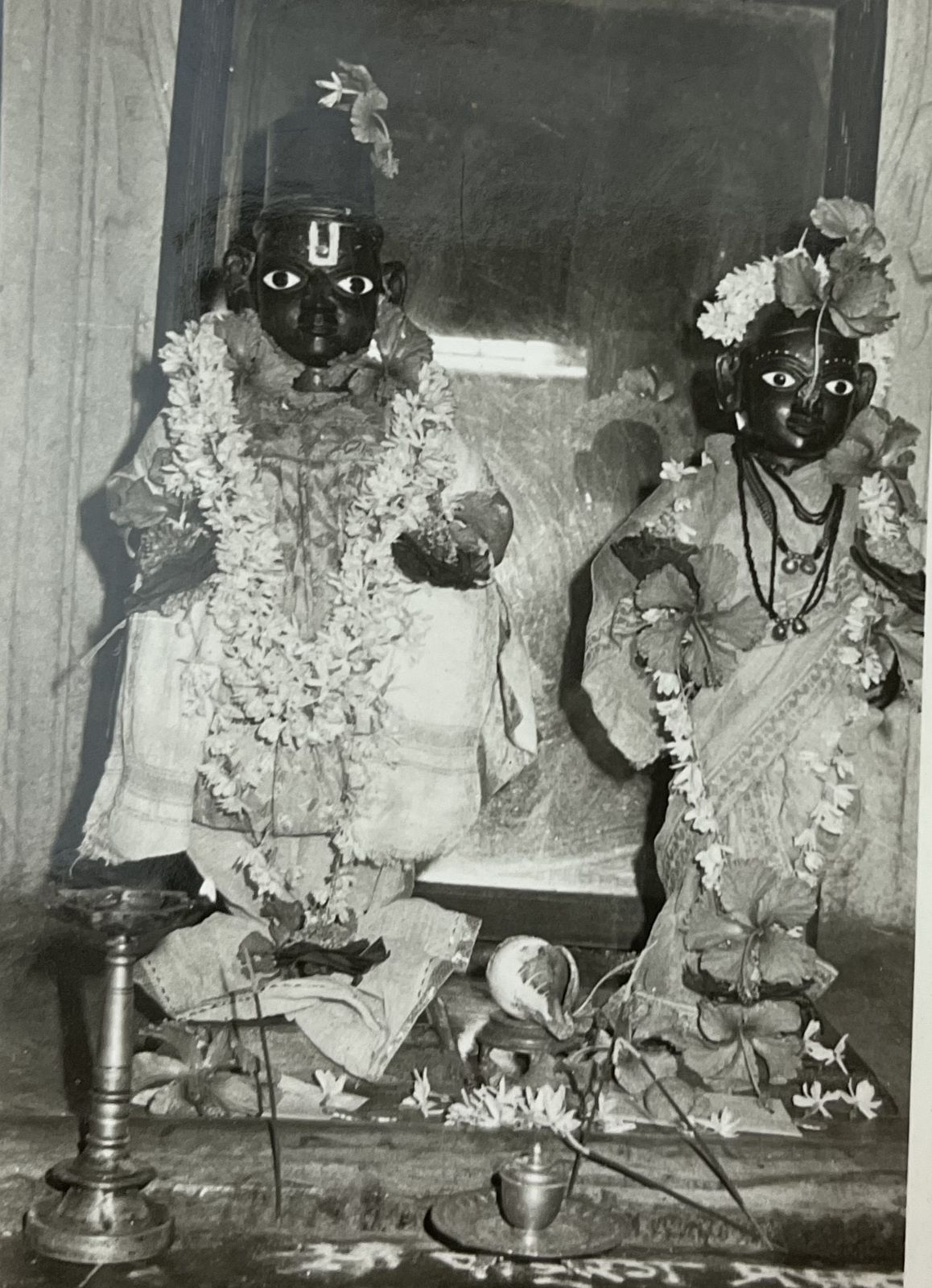
आवटी कुटुंब त्यानंतर पुणे सोडून आपल्या मूळ वतनाकडे म्हणजे मालुंज्यात स्थिरावले. पुण्यात त्यांचा असणारा वाडा फडतरे चौकात होता, असे म्हणतात. सध्याची त्यांची सहावी-सातवी पिढी आहे. आवटींचा वाडा गावात आहे. तो कधी बांधण्यात आला, हे माहीत नाही. मालुंज्याशेजारच्या 'लाख' या गावी त्यांना इनाम जमिनी होत्या. वाड्याच्या बाजूचे विठ्ठल मंदिर आवटींच्या खासगी मालकीचे असून देवस्थानच्या नावे बऱ्याच जमिनी गावात आहेत. आवटींच्या मध्य प्रदेशातील विलासपूर येथे स्थायिक झालेल्या कुटुंबाने काही वर्षांपूर्वी विठ्ठल मंदिराचा जीर्णोद्धार केला.
आवटींचे जे दोन वाडे गावात आहेत (मोठा वाडा आणि त्याला लागूनच असलेला गंजीचा वाडा), ते नारोपंतांच्या वंशजांचे आहेत. याशिवाय आवटींचे अजूनही दोन-तीन वाडे गावात होते. बाकीचे वाडे नारोपंतांचे चुलते विठ्ठलपंत आणि त्र्यंबकपंत आवटी यांचे असावेत. आवटी कुटुंबातील बरीच मंडळी काळाच्या ओघात गावाबाहेर पडून नोकरी, शिक्षणाच्या निमित्ताने इतर ठिकाणी स्थिरस्थावर झाली आहेत. वेगवेगळ्या क्षेत्रांत ती उच्चपदावर कार्यरत आहेत.
मालुंज्याच्या आवटी घराण्यांपैकी एक महत्त्वाचे नाव म्हणजे 'व्हॉईस अॅडमिरल मनोहर प्रल्हाद आवटी (१९२७-२०१८)'. भारतीय नौदलातील एक महत्त्वाचे व्यक्तिमत्त्व. मनोहररावांचे कुटुंब बरेच आधी शिकून गावाबाहेर पडले होते. नौदलात असणाऱ्या मनोहररावांनी १९७१च्या भारत-पाक युद्धात महत्त्वाची भूमिका बजावली होती. पाकिस्तानच्या नौकांना टक्कर देणाऱ्या आय. एन. एस. कमोर्टाचे ते कॅप्टन होते. त्यांना या कामगिरीबद्दल वीरचक्र देण्यात आले. भारतीय नौदलात, तसेच संरक्षण क्षेत्रात अनेक महत्त्वाची पदे त्यांनी भूषवली. देशाचा सागरी इतिहास लिहिला जावा, अशी त्यांची मनापासून इच्छा होती. यासाठी 'मेरीटाइम हिस्टरी सोसायटी ऑफ इंडिया'ची त्यांनी स्थापना केली. संपूर्ण भारतीय बनावटीच्या जहाजातून 'जगप्रदक्षिणा मोहिमा' हा आणखी एक त्यांच्या मार्गदर्शनाखाली राबवला जाणारा उपक्रम. आवटी हे पर्यावरणप्रेमी होते. निवृत्तीनंतर ते फलटणजवळच्या विंचुर्णी गावी निसर्गाच्या सान्निध्यात राहू लागले. तेथेच त्यांचे निधन झाले.
मालुंज्यात आवटींचे एक कुटुंब सोडता आता गावात कोणी उरले नाही. काळाच्या ओघात सर्व मंडळी गावाबाहेर पडली. जवळचे श्रीरामपूर शहर ते परदेशातील शहरे, अशा ठिकाणी ते स्थायिक झाले आहेत. आजवर तरी बाहेर गेलेल्या काही कुटुंबांचा संपर्क गावाशी आहे. मात्र भविष्यातील पिढीचा तो किती राहील, हा प्रश्नच आहे !