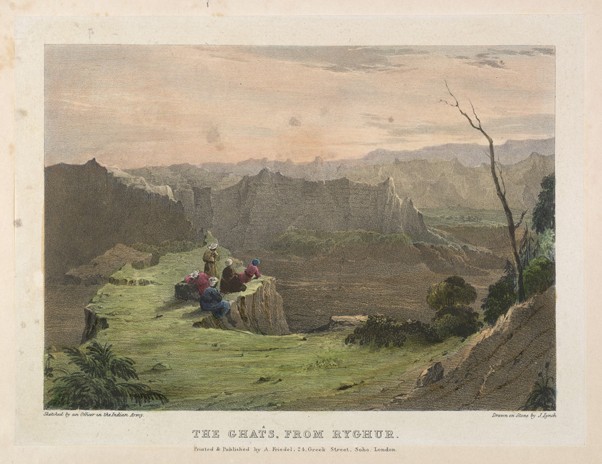
The quest to explore the unknown is a primal gift bestowed upon human existence. Inquisitiveness is not merely an affectation or outward behaviour, but a profound, deep-rooted nature of some individuals. Driven by indomitable willpower, some such individuals left behind their families and homes to traverse the unknown and conquer new lands. Some of these journeys led to India—and consequently, to the rugged Sahyadri landscape of Maharashtra. Their writings offer us a glimpse of the Sahyadris in a distinct, unique, and awe-inspiring light. With its towering peaks, vast valleys, and ancient trade routes, this rugged terrain has stood as a silent witness to the footsteps of countless travelers, administrators, and missionaries.

अज्ञाताचा वेध घेणं, ही मानवी अस्तित्वाला मिळालेली एक आदिम देणगी; हा केवळ उपजत स्वभाव नव्हे, तर ती एक सखोल, जिज्ञासू प्रवृत्तीच म्हणावी लागेल. आपल्या दुर्दम्य इच्छाशक्तीच्या जोरावर काहींनी या अज्ञाताचा शोध घ्यायला आपला परिवार, संसार मागे सोडून ही भूमी पादाक्रांत केली. यातली काही पावलं भारताकडे आणि पर्यायाने महाराष्ट्राच्या राकट सह्याद्रीच्या भूमीकडेही वळली. त्यांच्या लिखाणातून आपल्याला सह्याद्रीचे एक वेगळेच, अनोखे आणि विस्मयकारक रूप अनुभवायला मिळते. हा दुर्गम प्रदेश, त्याच्या उत्तुंग शिखरांनी, अथांग दऱ्यांनी आणि प्राचीन व्यापारी मार्गांनी, अगणित प्रवासी, प्रशासक आणि धर्मप्रचारकांच्या पावलांचा मूक साक्षीदार ठरला आहे.
Early Middle Age
प्राचीनकाळ
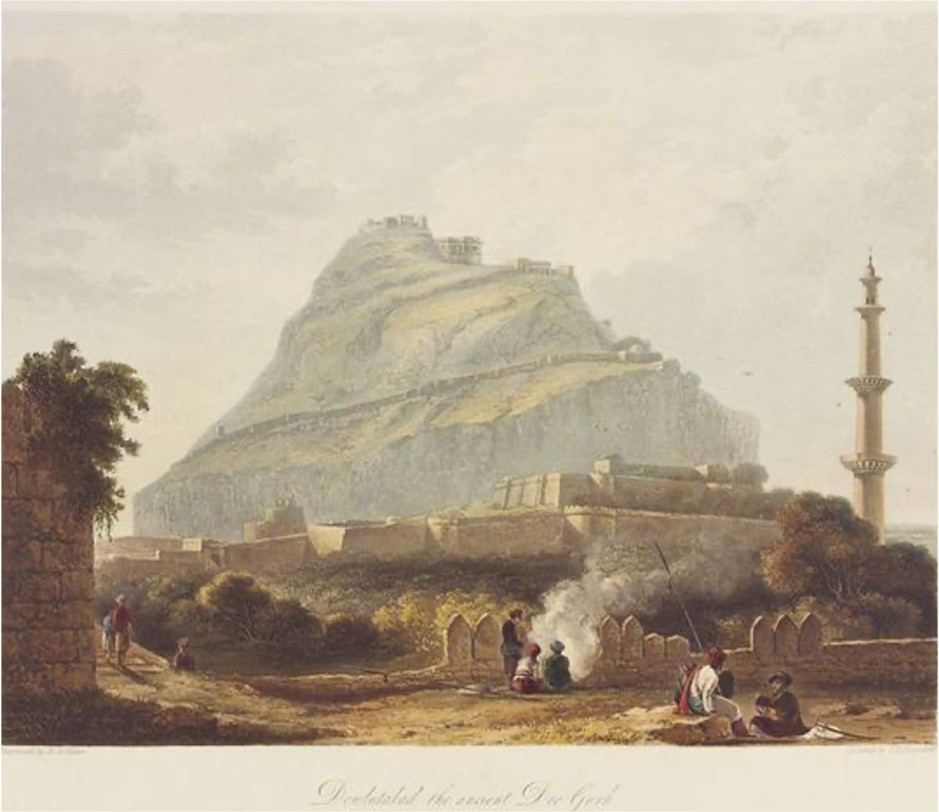
Imagine the 7th century, a time when a network of Buddhist viharas (monasteries) spanned the length and breadth of India. A Chinese monk named Hiuen Tsang visited the region. He toured sites such as Ajanta and Kanheri, offering a beautiful account of the Buddhist traditions in Maharashtra. Later, in the 14th century, the Moroccan traveler Ibn Battuta—while in the service of the Sultan of Delhi—had the opportunity to visit Daulatabad (Devgiri) during a tour of South India. In his travelogues, he praises Daulatabad’s formidable fort, its defensive systems, and its town planning. He writes, "Daulatabad is the strongest fort in Hindustan; there is no other fort like it in the country."
In the 15th century, the Russian merchant Afanasy Nikitin crossed three seas to reach India. He arrived in Junnar via Chaul. Writing about this region—rich in trade routes, forts, and rock-cut caves—he notes that the city of Junnar is situated atop a high, rocky hill. It is protected not by ramparts, but solely by the grace of God. The path ascending the mountain takes a full day to traverse and is so narrow that only one person can walk along it at a time; if two people meet head-on, one must step aside to let the other pass. It is evident that Nikitin is referring to ‘Naneghat’.
कल्पना करा, सातव्या शतकाचा तो काळ, जेव्हा भारतभर बौद्ध विहारांचे जाळे पसरले होते. एक चिनी भिक्षू, ‘ह्युएन त्संग’ याठिकाणी आला. अजिंठा, कान्हेरी सारख्या ठिकाणांना भेट देत तो महाराष्ट्रातील बौद्ध परंपरांचे सुंदर वर्णन त्याने केले. पुढे चौदाव्या शतकात, मोरोक्कोचा प्रवासी ‘इब्न बतूता’ दिल्लीतील सुलतानाच्या सेवेत असताना, दक्षिण भारताच्या दौऱ्यादरम्यान त्याला दौलताबाद( देवगिरी) येथे येण्याची संधी मिळाली. त्याच्या प्रवासवृत्तांतात तो दौलताबादच्या बळकत किल्ल्याचं, त्याच्या संरक्षणव्यवस्थेचं आणि नगररचनेचं कौतुक करतो. तो लिहितो की, "दौलताबाद म्हणजे हिंदुस्थानातला सर्वात मजबूत किल्ला, देशात यासारखा दुसरा कुठलाही किल्ला नाही."
पंधराव्या शतकात, ‘अफनासी निकितीन’ हा रशियन व्यापारी तीन समुद्र पार करून भारतात आला. चौलमार्गे तो जुन्नरला आला. अनेक व्यापारी मार्ग, किल्ले आणि लेण्यांनी समृद्ध या प्रदेशाबद्दल तो लिहतो, जुन्नर हे शहर एका खडकाळ उंच टेकडीवर वसलेलं आहे. ते कोणत्याही बुरुजांनी संरक्षित नाही, केवळ ईश्वराच्या कृपेने सुरक्षित आहे. त्या डोंगरावर जाणारा मार्ग एक दिवसाचा आहे, आणि तो इतका अरुंद आहे की एकावेळी फक्त एकच माणूस चालू शकतो दोन माणसं समोरासमोर आली तर मार्ग सोडावा लागतो. निकितीन नक्कीच ‘नाणेघाट’ बद्दल उल्लेख करतोय हे लक्षात आले असेलच.
Medieval Period
मध्ययुगीन काळ
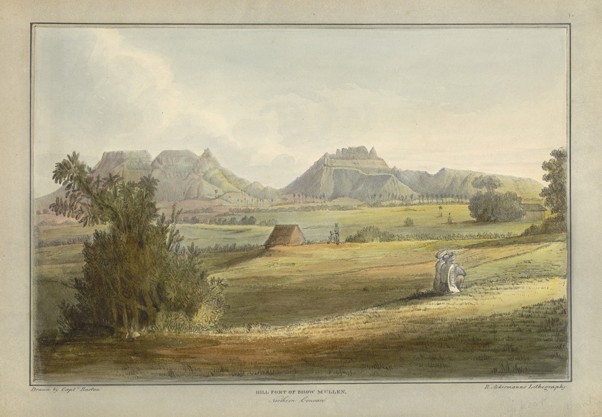
William Finch, an English officer, accompanied Hawkins—who had come to Surat to establish an East India Company office. While traveling from the north towards the Deccan, he saw the forts of Salher and Mulher. Finch wrote, "Salher and Mulher are cities with significant populations."
During the era of Shivaji Maharaj, the Sahyadri range itself played the role of a military commander. Just as 'General Winter' came to Russia's aid during the Second World War, 'General Sahyadri' came to the rescue of Swarajya. The massive mountain ranges tormented and exhausted the enemy within this region. Shivaji Chhatrapati’s immense confidence in the Sahyadris is evident in his correspondence; in one letter, he told a Mughal official, "In this region of ours, it is difficult even to let one's imagination run wild." Many foreign travelers visited the Sahyadris during this period. One of them was the French traveler Jean de Thévenot. His written account of Ellora is the first in the world to have been published and widely circulated. Upon seeing the Kailasa Temple, he remarked that anyone witnessing this magnificent structure would realize it transcends mere human achievement. One cannot help but marvel at these vast temples, pillars, and exquisite figures carved from natural rock thousands of years ago.
सुरतला ईस्ट इंडिया कंपनीचं ऑफिस बनवायला आलेल्या हॉकिन्स या अधिकाऱ्यासोबत विलियम फिंच हा इंग्रज अधिकारी देखील आला होता. उत्तरेतून दक्खनच्या भूमीकडे येताना त्याने साल्हेर-मुल्हेर हे किल्ले पहिले. हा फिंच लिहतो, “साल्हेर-मुल्हेर ही बरीच लोकवस्ती असणारी शहरंच आहेत”
शिवकाळात तर या सह्याद्रीने एका सेनापतीची भूमिका बजावली. दुसऱ्या महायुद्धात जसा ‘जनरल विंटर’ (हिवाळा) रशियाच्या मदतीला धावून आला तद्वत ‘जनरल सह्याद्री’ हा स्वराज्यासाठी धावून आला. अजस्त्र पर्वतरांगांनी शत्रूला या प्रदेशात बेजार करून टाकले. शिवछत्रपतींच्या पत्रात तर या सह्याद्रीवर इतका आत्मविश्वास दिसतो की, एका पत्रात ते मुघलांच्या अधिकाऱ्याला म्हणतात, “आमच्या या प्रदेशात नुसता कल्पनेचा घोडा चालविणेही कठीण आहे”. तर या शिवकाळात अनेक परकीय प्रवासी सह्याद्रीत आले. त्यापैकी एक म्हणजे फ्रेंच प्रवासी ‘जॉन द थिवेनो’. त्याने लिहून ठेवलेलं वेरूळचं वर्णन हे तर जगात ‘छापून’ प्रसिद्ध झालेलं पाहिलं वर्णन आहे. कैलास लेणं पाहून तो म्हणतो, खरं तर, कोणीही हे भव्य बांधकाम पाहिलं, तरी त्याला ते मानवी कतृत्वापेक्षा कितीतरी मोठं आहे, याची जाणीव होईल. हजारो वर्षांपूर्वी, नैसर्गिक खडकातून कोरलेली ही अनेक विशाल मंदिरे, खांब आणि सुंदर आकृत्या पाहून आश्चर्य वाटल्याशिवाय राहत नाही.
Turning the page of history from Thévenot, we encounter another French traveler: Abbé Carré. He, too, visited the region during the time of Shivaji Maharaj. Wishing to travel through Chhatrapati Shivaji Maharaj's territory, he visited the Maratha administrative office to obtain the necessary travel permit. He recorded the insights gained from conversations with Maratha officials in his travelogue—information that is invaluable for the study of Shivaji Maharaj’s life. He writes, “Shivaji Maharaj was not merely an excellent soldier; his grasp of fort construction surpassed even that of professional engineers. He had studied geography deeply and possessed intimate knowledge not only of major cities but also of small villages, hamlets, settlements, the terrain, and even the vegetation. He had personally created highly accurate maps.”
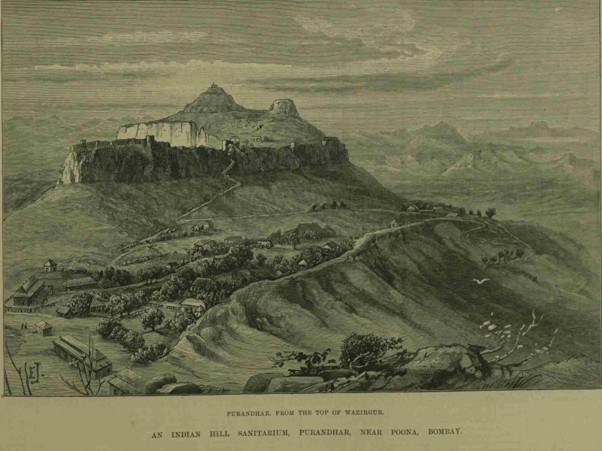
A Portuguese traveler named Cosme da Guarda also visited during the era of Shivaji. Residing in Goa, he kept a close watch on Maratha affairs. Remarkably, inspired by Shivaji Maharaj’s renown, he authored a complete biography of the leader in 1695—a full biography written by a foreigner! This is considered the first biography of Shivaji Maharaj written by a non-Indian. Regarding the Sahyadri region, he notes, “Shivaji Maharaj spent much of his time amidst the mountain ranges and valleys, launching surprise attacks on enemy territories.” Later, describing the raid on the Junnar marketplace and the Naneghat pass, he writes, “Shivaji Maharaj proceeded towards the Junnar Ghat; the mountain path is so treacherous and narrow that people can only ascend it in single file. If one encounters someone coming from the opposite direction, one must press oneself against the rock face to let the other pass. Not only must the ascent be made on foot, but extreme caution is required; a single slip or fall would result in one’s body being shattered into a thousand pieces before reaching the bottom.” When Mirza Raja Jai Singh invaded Swarajya, the traveler Gward wrote about the impregnability of Purandar Fort: "A proposal was made to bombard the fort, for which Mirza Raja Jai Singh had brought along massive cannons. These cannons were so heavy that forty oxen were yoked to pull each one. However, they proved useless for attacking a fort of this kind, for it was not man-made but crafted by the Almighty Himself. Moreover, its ramparts were so sturdy and strong that they withstood cannonballs, the wind, and even lightning strikes with disdain. The plateau atop the fort—where inhabitants could seemingly converse with the stars—spanned more than half a kos in width (1 kos = approx. 3 km). It held food supplies sufficient for years and an abundance of sweet water; water that cascaded down the mountain to nourish the vegetation at its base." Even Shaista Khan was so intimidated by the Sahyadris that he wrote to the Emperor, stating, "It is impossible to subdue Shivaji Maharaj in this mountainous terrain."
या थिवेनोचं इतिहासातलं पान उलटतं आणि पुढच्या पायरीवर भेटतो तो दुसरा फ्रेंच प्रवासी ऍबे कॅरे. हा कॅरेसुद्धा शिवकाळात याठिकाणी आला. त्याला छत्रपती शिवाजी महाराजांच्या प्रदेशातून प्रवास करायचा होता. त्यासाठी तो गेला मराठ्यांच्या कचेरीत. तिथं परवाना हवा होता. मराठ्यांच्या अधिकाऱ्याशी चर्चा करताना त्याला जे समजले त्याने ते त्याच्या प्रवासवर्णनात टिपून ठेवलं आहे जे शिवचरित्रासाठी खूप मौल्यवान आहे. तो लिहतो , “शिवाजी महाराज हे केवळ एक उत्तम सैनिकच नव्हे, अभियंत्यांपेक्षाही अधिक चांगली त्यांची किल्ल्यांच्या बांधकामावर पकड होती. भूगोलाचाही त्यांनी सखोल अभ्यास केला होता आणि केवळ मोठी शहरेच नव्हे, तर लहान गावे, वाड्या-वस्त्या, जमिनी आणि झुडपे यांचीही त्यांना खडान्खडा माहिती होती. त्यांनी स्वतः अत्यंत अचूक नकाशे तयार केले होते.”
शिवकाळात एक पोर्तुगीज प्रवासी देखील आला होता, कॉस्मी द ग्वार्द. तो गोव्यात वास्तव्यास होता, आणि मराठ्यांच्या घडामोडींवर त्याचं लक्ष होतं. विशेष म्हणजे शिवाजी महाराजांची कीर्ती ऐकून त्याने १६९५ साली एक संपूर्ण शिवचरित्र लिहिलं. हो, संपूर्ण चरित्र, तेही एका परकीयाने!, हे जगातलं पहिलं परकीय शिवचरित्र मानलं जातं. तो या सह्याद्रीबद्दल म्हणतो, “शिवाजी महाराज आपला बराचसा काळ डोंगरदऱ्यांमध्ये घालवत आणि शत्रूच्या मुलखावर अनपेक्षित हल्ले चढवत”, पुढे जेव्हा त्यांनी जुन्नरची बाजारपेठ लुटली तेव्हा, तो नाणेघाट बद्दल लिहतो, “शिवाजी महाराज जुन्नर घाटाकडे गेले, (डोंगराच्या बाजूला) असलेला रस्ता इतका अवघड आणि अरुंद आहे की एकापेक्षा जास्त लोक त्यावर चढू शकत नाहीत, आणि जर वरून कोणी आले तर त्यापैकी एकाला त्याच्या डोक्याने वरच्या बाजूने पडून राहावे लागते. त्याला न केवळ पायी चढावे लागते तर त्याने खूप काळजी घ्यावी लागते, कारण जर तो घसरला किंवा पडला तर तो खाली पोहोचण्यापूर्वी त्याचे हजार तुकडे होतील”. जेव्हा मिर्झाराजा जयसिंहाची स्वारी जेव्हा स्वराज्यात झाली तेव्हा हा ग्वार्द, पुरंदर किल्ल्याच्या अभेद्य पणा विषयी लिहतो की, “तोफांचा मारा करण्याचा प्रस्ताव मांडण्यात आला, ज्यासाठी मिर्झा राजा जयसिंह आपल्यासोबत प्रचंड मोठ्या तोफा घेऊन आला होता. इतक्या अवजड होत्या त्या तोफा की प्रत्येक तोफ ओढण्यासाठी चाळीस बैल जुंपले जात. परंतु या प्रकारच्या किल्ल्यावर मारा करण्यासाठी त्या तोफा निरुपयोगी होत्या. कारण हा किल्ला काही मानवनिर्मित नव्हता तर प्रत्यक्ष परमेश्वराने घडवला होता. शिवाय, त्याचे तट इतके भक्कम आणि मजबूत होते की ते तोफांचे गोळे, वारा आणि अगदी विजांचे तडाखे यांनाही तुच्छ लेखत. किल्ल्याच्या माथ्यावरील पठार, जिथे राहणाऱ्यांना जणू नक्षत्रांशी संवाद साधता येत असे, ते अर्ध्या कोसाहूनही अधिक रुंद होते. तिथे अनेक वर्षांसाठी पुरेल इतके अन्नधान्य आणि मुबलक गोड पाणी होते. डोंगरातून खळाळत येणारे हे पाणी खाली येऊन पायथ्याच्या झाडाझुडपांना सुपीक करत असे” शाइस्तेखानाला देखील या सह्याद्रीची इतकी भीती वाटत होती की त्याने तर बादशहाला लिहून कळवले की, “डोंगराळ भागात शिवाजी महाराजांना नमवणे अशक्य आहे”
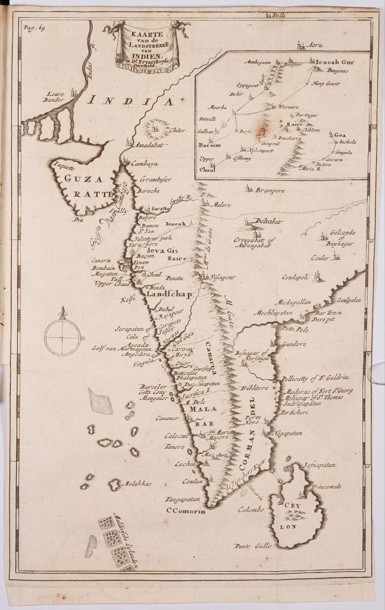
Amidst this influx of travelers, a foreign medical officer named John Fryer also visited Maharashtra. While he documented Shivaji Maharaj’s coronation at Raigad, he also extensively explored the Sahyadri ranges. He writes, "On May 22, 1675, leaving my fellow travelers behind, I set out via the Naneghat route. I reached the pass by noon. Compared to the old route, this path seemed much easier and shorter; it spans a distance of about ten kos from Junnar. During the journey, we found ourselves situated between two of Shivaji Maharaj's forts." As we looked down from the mountain pass, another fort came into view; it resembled the fort at Junnar (Shivneri). A shout came towards us from that fort. I sent a man to respond to them but continued walking. I was forced to halt upon reaching a narrow section of the pass, as 300 bullocks—hauling carts laden with salt—had become stuck in the narrow passage. At appropriate intervals along the pass, generous individuals had constructed water tanks containing clean, potable water. Below the pass lay a beautiful forest that offered both shade and a pleasing sight.
John Fryer also visited Shivneri Fort, and he recorded a truly remarkable observation there. He writes that some of the cisterns on Shivneri contain ghee stored for as long as 400 years—a substance 'Hindu' people value as highly as gold. It is considered particularly beneficial for treating chronic joint pain or eye ailments. “One of these cisterns was opened for me, and I was given some of the ghee from it; it was black, foul-smelling, and sticky. There are other cisterns there for water as well. The water in them looks extremely filthy—appearing green, yellow, or reddish in different places. This water collects during the rains and becomes thick as it evaporates in the heat of the sun. The water in some cisterns is so unpleasant that people drop onions into it to mask the taste. Shivneri also has grain storage facilities capable of sustaining thousands of families for up to seven years.”
Furthermore, foreign travelers who visited during the era of Shivaji—such as Tavernier, Bernier, and Manucci—wrote extensively about the Sahyadris, the region's dense wilderness, and its forts.
या सर्व प्रवाशांच्या गर्दीत एक परकीय वैद्य अधिकारी देखील महाराष्ट्रात आला होता. त्याचं नाव जॉन फ्रायर, या जॉन फ्रायरने रायगडाच्या शिवराज्याभिषेकाचं वर्णन तर लिहलं आहेच. पण त्याने सह्याद्रीत देखील बरीच भटकंती केली. तो लिहतो, २२ मे १६७५ रोजी मी माझ्या सहप्रवाशांना मागे सोडून नाणेघाट मार्गे प्रवास सुरू केला. दुपारी बारा वाजेपर्यंत मी त्या घाटावर पोहोचलो. जुन्या मार्गाच्या तुलनेत हा फारच सोपा व लहान वाटणारा मार्ग होता. हा मार्ग जुन्नरपासून सुमारे दहा कोसांचा आहे. त्या प्रवासात आम्ही शिवाजी महाराजांच्या दोन गडांच्या मध्ये होतो. आणि घाटावरून खाली नजर टाकणारा तिसरा एक गड आमच्या डोळ्यांना दिसला. तो जुन्नरच्या (शिवनेरी) गडासारखाच होता. त्या गडावरून आमच्याकडे आवाज दिला गेला. मी त्यांना उत्तर द्यायला एक माणूस पाठवला, पण पुढे चालतच राहिलो. मी घाटाच्या एका अरुंद वाटीवर पोहोचताच मला थांबावं लागलं. कारण ३०० बैल, जे मीठाने भरलेल्या गाड्या घेऊन चालले होते, त्या अरुंद वाटेत अडकले होते. या घाटात योग्य अंतरावर दानशूर लोकांनी पाण्याच्या टाक्या बांधलेल्या होत्या. ज्या स्वच्छ आणि पिण्यायोग्य होत्या. घाटाच्या खालच्या बाजूस सुंदर जंगल होतं, जे सावलीही देत होतं आणि डोळ्यांनाही आनंद देत होतं.
हा जॉन फ्रायर शिवनेरी किल्ल्यावर देखील गेला होता, आणि तिथे त्याने नोंदवून ठेवलेली गोष्ट फार विलक्षण आहे. तो लिहतो, शिवनेरीवर काही टाक्यांमध्ये तर ४०० वर्षांपासून साठवलेलं तूप आहे, जे 'हिंदू' लोक सोन्याइतकंच मौल्यवान मानतात. विशेषतः जुन्या सांधेदुखी किंवा डोळ्यांतील आजारांवर हे उपयुक्त मानलं जातं. त्यापैकी एक टाकं माझ्यासाठी उघडलं गेलं आणि त्यातून मला काळं, दुर्गंधीयुक्त व चिकट तूप दिलं गेलं. तिथं पाण्याच्या सुद्धा इतर टाक्या आहेत. त्यातलं पाणी अतिशय गलिच्छ दिसतं – काही ठिकाणी हिरवं, काही ठिकाणी पिवळं तर काही ठिकाणी लालसर. हे पाणी पावसात साचतं आणि उन्हात आटून दाट होतं. काही टाक्यांमधलं पाणी इतकं असह्य असतं की लोक त्याची चव बरी करण्यासाठी त्यात कांदे टाकतात. या शिवनेरीवर हजारो कुटुंबांना सात वर्षांपर्यंत पुरेल इतकी धान्यसाठ्याची व्यवस्था आहे.
याशिवाय शिवकाळात आलेल्या ताव्हर्निए, बर्निए, मनुची, यांसारख्या परकीय प्रवाशांनी सह्याद्रीबद्दल, इथल्या घनदाट प्रदेशाबद्दल, किल्ल्यांबद्दल भरभरून लिहले आहे.
The British Era
ब्रिटिशकाळ
Driven by inexhaustible willpower, a remarkable individual wandered across the expanse of the Sahyadris in the 19th century and left behind a rich legacy of experiences captured in words. It would not be misplaced to call him the very first "content creator" of the Sahyadris in modern parlance. His name was Francis Gale!
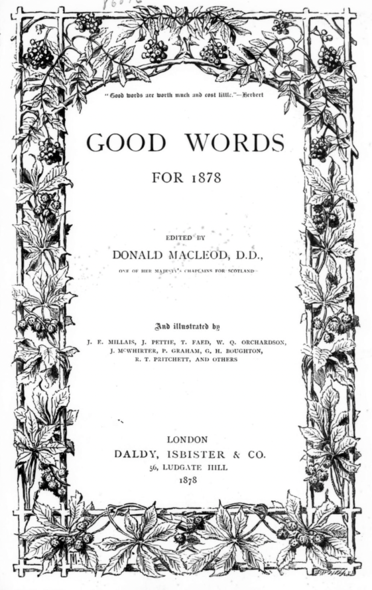
Gale, who had arrived in India around 1860 to propagate Christianity, was based in Pune. The Maratha Empire had fallen in 1818, and the British had reduced the Maratha forts to a state of utter neglect and ruin. Many forts were demolished, and for years thereafter, the general public was barred from even visiting them. Yet, amidst these times, Francis began his explorations of the Sahyadris. After traversing the region—covering peaks and forts like Kalsubai, Torna, Rajgad, Raigad, and Lingana—he penned an article for the periodical Woodward's in 1878. This could well be considered the first-ever blog written about the Sahyadris. His article is detailed, and here is what he recorded:
"Most forts in Maharashtra share certain common features: they are situated atop high mountains, protected by natural ramparts, and often involve extremely difficult ascents. Typically, there is a slope at the base, while massive rock formations dominate the summit. The cliff faces on these rocks are sheer and towering; sometimes they provide natural defense, while at other times, they are further fortified with man-made walls. Entrance gates are constructed along the mountain spurs. Inside, the level ground accommodates a settlement and the Balekilla (citadel), which serves as the final line of defense. Most forts also possess excellent water facilities." Often, flights of steps and series of doorways are carved directly into the rock. This chain of forts poses a challenge to any enemy approaching the Deccan from the north.
Francis Gale, who ascended Kalsubai Peak, writes about the dawn view he witnessed. Standing at its base, one could see a range of forts including Trimbak, Anjaneri, Harshagad, Dhair, and Ramshej. On the horizon, ranges of forts like Saptashrungi, Achala, Rajdher, and Indrai gleamed in the golden sunlight. A short distance away lay the twin forts of Ankai-Tankai, and in the same line, one could see Aundha-Patta, Harihargad, Madangad, and Mauli. Dense forests towards the Konkan region and banks of clouds surged over the mountains like ocean waves. The hills of Matheran appeared like islands floating in the sea.
Later, Francis visited Torna. He writes that Sinhagad is visible from near Pune, yet many are unaware that it is a fort. It was the first fort conquered by Shivaji Maharaj in 1646, when he was merely nineteen years old. Given the fierce resistance it offered initially, it earned the title 'Cradle of Maharashtra.' The view from the top was truly breathtaking. The fort Shivaji Maharaj built after Torna was Rajgad. It is extremely high, and the ascent is difficult; its construction and natural layout are incredibly robust. On one side lie bastions and gateways, while the other is flanked by deep valleys—all of which made it strategically brilliant from a military standpoint.
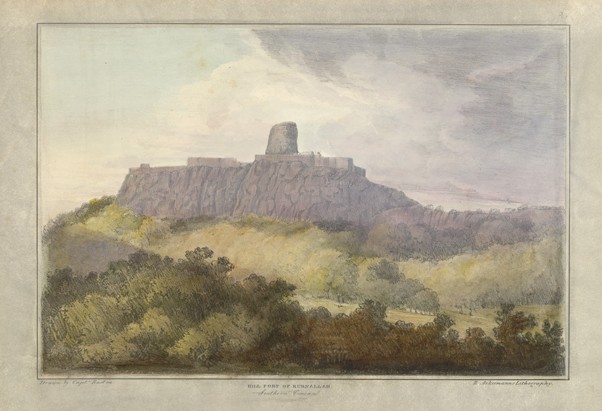
Raigad is located in the Konkan region. Shivaji Maharaj’s Samadhi (mausoleum) and the saffron flag still stand proudly there today. The fort has only one entrance, while the other three sides are guarded by sheer cliffs. It houses a temple dedicated to Lord Mahadev and other remaining ruins. Although it is possible to view the Lingana fort, reaching it is extremely difficult. It stands as a sheer, vertical pillar of black rock at the tip of a mountain. At one time, access was gained by placing a bamboo ladder against the rock face. Francis Gale did manage to reach the site, but he could not enter the fort itself.
Gale subsequently set out from Surgad, crossed the Pabal Pass, and undertook a long midnight trek through the forest via Gonda village. Finally, descending into the Konkan region, he arrived near Lingana. He describes how there was only one way to enter—via an old bamboo ladder; once that ladder broke, the fort became permanently inaccessible. He notes that a two-day expedition is sufficient to experience all of this—especially for a young officer viewing it with a military eye. If someone were to undertake this expedition today—equipped with a bamboo ladder—they could provide a comprehensive description of Lingana’s fortifications with military precision, something I have been unable to do.
आपल्या दुर्दम्य इच्छाशक्तीच्या जोरावर एका अवलियाने सह्याद्रीच्या अंगाखांद्यावर भटकंती केली आणि अनुभवांची शिदोरी शब्दांच्या रूपात आपल्यासाठी मागे ठेवली. आजच्या भाषेत सांगायचं तर सह्याद्रीचा पहिला-वहिला कंटेंट क्रिएटर, असं म्हटलं तर काही चुकीचं ठरणार नाही. याचं नाव आहे, फ्रान्सिस गेल!
१८६० च्या दरम्यान ख्रिस्त धर्माच्या प्रसारासाठी भारतात आलेला ‘गेल’ पुण्यात मुक्कामाला होता. १८१८ साली मराठेशाहीचा अंत झाला. इंग्रजांनी मराठ्यांच्या किल्ल्यांची अक्षरशः दुर्दशा केली. अनेक किल्ले पाडून टाकले गेले, पुढे कित्येक वर्ष या किल्ल्यांवर जाण्यासही सर्वसामान्यांना मनाई होती. अशा काळात, हा फ्रान्सिस सह्याद्रीत भटकू लागला. कळसुबाई - तोरणा- -राजगड - रायगड- लिंगाणा अशी चौफेर भटकंती करून १८७८ साली त्याने वूडवर्ड्स या नियतकालिकात एक लेख लिहला. हा सह्याद्रीवर लिहलेला पहिला ब्लॉग असावा. त्याचा लेख विस्तृत आहे पण त्याने जे टिपलं आहे. तो लिहतो,
महाराष्ट्रातील बहुतांश किल्ल्यांमध्ये काही साम्य दिसून येतं – उंच डोंगरावर वसलेले, नैसर्गिक तटबंदीने सुरक्षित, आणि काही ठिकाणी अतिशय अवघड चढाई असलेले. अनेकदा किल्ल्याच्या पायथ्याजवळ उतार असतो आणि शिखरावर मोठे खडक दिसतात. या खडकांवर कडे सरळ आणि उंच असतात, जे कधी नैसर्गिक संरक्षण देतात, तर कधी तटबंदीने अधिक मजबूत होतात. प्रवेशासाठी दरवाजे डोंगरसोंडीत बांधलेले असतात. आतमध्ये समतल भागावर वस्ती आणि बालेकिल्ला असतो, जो शेवटचा आधार असतो. बहुतेक किल्ल्यांवर पाण्याची चांगली सोय असते. अनेकदा पायऱ्या आणि दारांच्या मालिका खडकात कोरलेल्या असतात. ही किल्ल्यांची मालिका उत्तरेकडून येणाऱ्या शत्रूला दख्खनमध्ये प्रवेश करताना आव्हान देते.
हा फ्रान्सिस गेल कळसुबाई शिखरावर गेला, तो लिहतो, ते पहाटेचं दृश्य पाहायला मिळालं. त्याच्या पायथ्याशी उभी राहिल्यावर त्र्यंबक, अंजनेरी, हर्षगड, धैर, रामशेज यांची रांग दिसत होती. क्षितिजावर सप्तशृंगी, अचला, राजधेर, इंद्राई अशा किल्ल्यांच्या रांगा सोनेरी उन्हात चमकत होत्या. काही अंतरावर अंकाई-टंकाईसारखे जोड किल्ले आणि त्याच रांगेत औंढा-पट्टा, हरिहरगड, मदनगड, आणि मौळी दिसत होते. कोकणकडील दाट जंगल आणि ढगांची रांग समुद्राच्या लाटांसारखी डोंगरावरून उसळत होती. माथेरानच्या टेकड्या समुद्रात तरंगणाऱ्या बेटांसारख्या भासत होत्या.
पुढे हा फ्रान्सिस तोरण्यावर गेला. त्याबद्दल तो लिहतो, पुण्याजवळच सिंहगड दिसतो, पण अनेकांना तो किल्ला आहे हेही ठाऊक नसतं. शिवाजी महाराजांनी १६४६ साली अवघ्या एकोणीसव्या वर्षी जिंकलेला पहिला किल्ला. या किल्ल्याने सुरवातीला केलेला प्रतिकार पाहता त्याला ‘महाराष्ट्राचा पाळणा’ असं नाव पडलं. त्यावरून दिसणारं दृश्य अत्यंत थक्क करणाऱ्या स्वरूपाचं होतं. शिवाजी महाराजांनी तोरण्यानंतर जो किल्ला बांधला, तो म्हणजे राजगड. तो खूपच उंच असून चढाई अवघड आहे. त्याचं बांधकाम आणि नैसगरिक रचना फारच मजबूत आहे. एका बाजूने बुरुज, दरवाजा, तर दुसऱ्या बाजूने खोल दऱ्या. हे सगळं लष्करी दृष्टिकोनातून उत्कृष्ट होतं.
रायगड हा कोकणात आहे. शिवाजी महाराजांची समाधी आणि भगवा ध्वज आजही तिथं डौलात उभा आहे. गडावर एकच प्रवेशद्वार असून बाकी तिन्ही बाजूंना उभे कडे आहेत. महादेवाचं मंदिर आणि उरलेले अवशेष आहेत. लिंगाण हा किल्ला पाहणं जरी शक्य असलं, तरी पोहोचणं फार अवघड आहे. तो डोंगराच्या टोकाला असलेला काळ्या दगडाचा सरळ उभा खांब आहे. कधीकाळी खडकावरून बांबूची शिडी टाकून प्रवेश केला जात असे. फ्रान्सिस गेल तिथं पोहोचला खरा, पण त्याला आत प्रवेश करता आला नाही.
गेलने पुढे सुरगडावरून निघून पाबळ खिंड ओलांडली आणि गोंडा गावातून मध्यरात्री जंगलमार्गे लांब प्रवास केला. शेवटी कोकणात उतरत, लिंगाणा जवळ पोहोचला. त्याचं वर्णन करताना तो सांगतो की, आतमध्ये जाण्यासाठी फक्त एकच मार्ग होता, जुन्या बांबूच्या शिडीचा. तो तुटल्यावर गड कायमच दुर्गम झाला. तो म्हणतो की, हे सगळं अनुभवण्यासाठी दोन दिवसांची मोहीम पुरेशी आहे – विशेषतः लष्करी डोळ्यांनी पाहणाऱ्या तरुण अधिकाऱ्यासाठी. जर कोणी आजही ही मोहीम घेतली आणि बांबूची शिडी घेतली, तर लिंगाणच्या तटबंदीचं संपूर्ण वर्णन लष्करी अचूकतेने करू शकेल, जे मी करू शकलो नाही.